What Happened at Chainstack
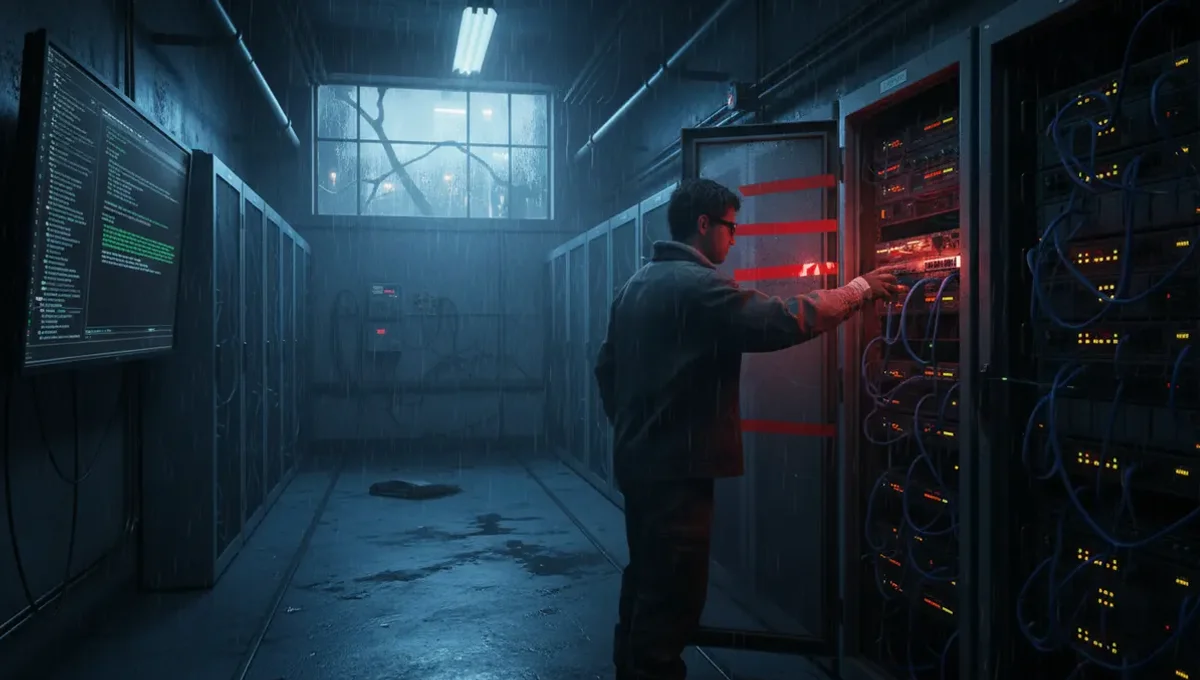
Chainstack announced a security incident in which an attacker exploited an AI-powered vulnerability to gain unauthorized access to customer data. The breach exposed node credentials, API keys, and account information stored on the platform. Node credentials are the authentication tokens that allow users to connect to and interact with blockchain nodes hosted by Chainstack. Because these tokens control access to your blockchain infrastructure, their exposure creates a direct risk of unauthorized node manipulation, data queries, or transactions sent through your endpoints.
Who Was Affected
The breach affected Chainstack customers whose account data was stored in the exposed system. Chainstack serves developers, enterprises, and crypto projects that rely on managed blockchain node infrastructure. If you have a Chainstack account or use Chainstack-hosted nodes for any blockchain project, your credentials may have been compromised. The company has not publicly disclosed the exact number of affected accounts, but it is treating all node credentials as exposed and recommending all customers rotate them immediately.
Immediate Steps to Protect Your Account
If you use Chainstack, take these actions without delay:
- Log in to your Chainstack dashboard as soon as possible
- Rotate all API keys and node credentials through the account settings
- Change your Chainstack password to a strong, unique passphrase
- If you use the same credentials elsewhere, change those passwords too
- Review recent API activity and node access logs for any unauthorized requests
- Enable two-factor authentication (2FA) on your Chainstack account if not already active
Credential rotation removes the old exposed tokens and generates new ones, making the leaked credentials useless to attackers. This is your strongest defense against unauthorized access to your nodes.
Why Node Credentials Matter for Blockchain Users
Node credentials are equivalent to passwords for your blockchain infrastructure. An attacker with valid node credentials can query your blockchain data, submit transactions, or modify requests passing through your nodes. If you use Chainstack nodes to power a cryptocurrency wallet, DeFi application, NFT platform, or exchange, compromised credentials put all of that downstream activity at risk. Attackers could intercept transactions, redirect funds, or inject false data into your application logic. This is why rotating credentials quickly is not optional.
The Role of AI in the Attack
Chainstack described the vulnerability as "AI-powered," which suggests the attacker used machine learning or automated techniques to identify and exploit a weakness in the platform's authentication or access-control systems. AI-assisted attack methods are increasingly common in cybercrime because they can accelerate reconnaissance, fuzzing, and pattern detection at scale. The specific technical details of how the AI was leveraged have not been fully disclosed, but the mention signals that this was not a simple credential-stuffing attack or social engineering. This type of breach underscores that even reputable infrastructure providers must assume that sophisticated attackers will eventually find novel exploitation paths.
What Has Changed Since the Breach
Chainstack has stated that the threat is now contained, meaning the attacker's access has been revoked and the vulnerability has been patched. The company is cooperating with affected customers and has reset all node credentials on its backend to prevent reuse of the leaked tokens. However, containment does not undo what was already exposed; customers still must rotate their own credentials on their end to ensure they are using fresh, uncompromised tokens going forward. Check Chainstack's official status page or contact their support team for confirmation of any additional security measures or timeline for full remediation.
Real-World Context: Why Breaches at Infrastructure Providers Are Dangerous
Blockchain infrastructure providers sit between users and the blockchain itself. A breach at this layer affects not just individual developers but entire networks of applications and users relying on that provider's nodes. Similar incidents at other infrastructure platforms have led to downstream compromises of wallets, exchanges, and DeFi protocols. According to public law-enforcement and security-vendor incident reports, infrastructure breaches often go undetected for weeks or months, meaning attackers may have already used exposed credentials before the breach was announced. This delay is why acting immediately on credential rotation is critical, not optional.
Action You Can Take Today
Do not wait for a formal notification email. If you have a Chainstack account, log in now, change your password, and rotate all API keys and node credentials. Review your node access logs for any activity that does not match your own usage patterns. Document this action so you have a record of when you rotated credentials, in case you need to troubleshoot or report the incident to regulators or insurance providers later. If you manage blockchain infrastructure for a business, notify your team and ensure each person with Chainstack access completes credential rotation today.
Frequently Asked Questions
What if I did not receive a notification email about the breach? Chainstack may still be notifying customers in batches, or your contact information on file may be outdated. Visit the Chainstack dashboard directly using your known login URL, not a link from an email, to check for any security notices or prompts to rotate credentials.
Can I still use Chainstack after the breach? Yes, but only with newly rotated credentials. Once you change your password and API keys, your account and nodes return to normal operation. The provider has patched the vulnerability, so the same attack method should not work twice.
Do I need to inform my users about this breach? If you operate a public application or service using Chainstack infrastructure, consider whether the breach creates a material risk to your users' data or funds. Consult your legal and security teams on disclosure obligations in your jurisdiction.
Is this the same as a hack of cryptocurrency exchanges like FTX or Celsius? No. This is a breach of infrastructure provider accounts, not a loss of customer funds. Your blockchain data and application logic remain on-chain and secure. The risk is unauthorized access to your nodes and potential manipulation of requests flowing through them.
How do I verify that Chainstack actually disclosed this breach? Check Chainstack's official website, blog, and social media accounts directly. Do not click links from unsolicited emails. Verify security announcements against the PGP-signed advisories on Chainstack's official security page if one exists.
Source: The Block